
Mental Health Support Structures and Progress
The COVID-19 pandemic was more than a global health crisis – it was a collective trauma that reshaped nearly every part of our lives. The distress and isolation we faced exposed long-overdue gaps in how mental health is understood and supported.
We have adapted from crisis mode to essential support. Mental health is now recognized as a key component of well-being for both our students and staff.
Since 2020, we have added and/or augmented mental health support structures including:
- On-campus Wellness Centers (6-12)
- Wellness Center Coaches (6-12)
- Elementary Counselors (TK-5)
- Community Liaisons (TK-12)
- Experiencing Homelessness and Foster Youth Liaison (TK-12)
- Social Worker (TK-12)
- Lead Nurse (TK-12)
- Assistant Mental Health Therapists (TK – 5)
- School Resource Officer collaboration and availability (TK-12)
- School-based therapists ((6-12)
- Multi-Tiered System of Supports – a framework schools use to provide academic, behavioral, and social-emotional support from classroom strategies to intensive 1:1 intervention (TK-12)
- Crisis response & safety assessments to ensure immediate student support (TK-12)
- Parent workshops on emotional wellness, digital safety, and behavior strategies (TK-12)
- Partnerships with Alameda County & community mental health agencies (TK-12)
- Culturally responsive, multilingual support for our diverse families (TK-12)
- Staff training in trauma-informed practices, such as Positive Behavioral Interventions and Supports (PBIS), an evidence-based framework used to improve school culture and student behavior by proactively teaching and reinforcing positive actions and youth mental health first aid (TK-12)
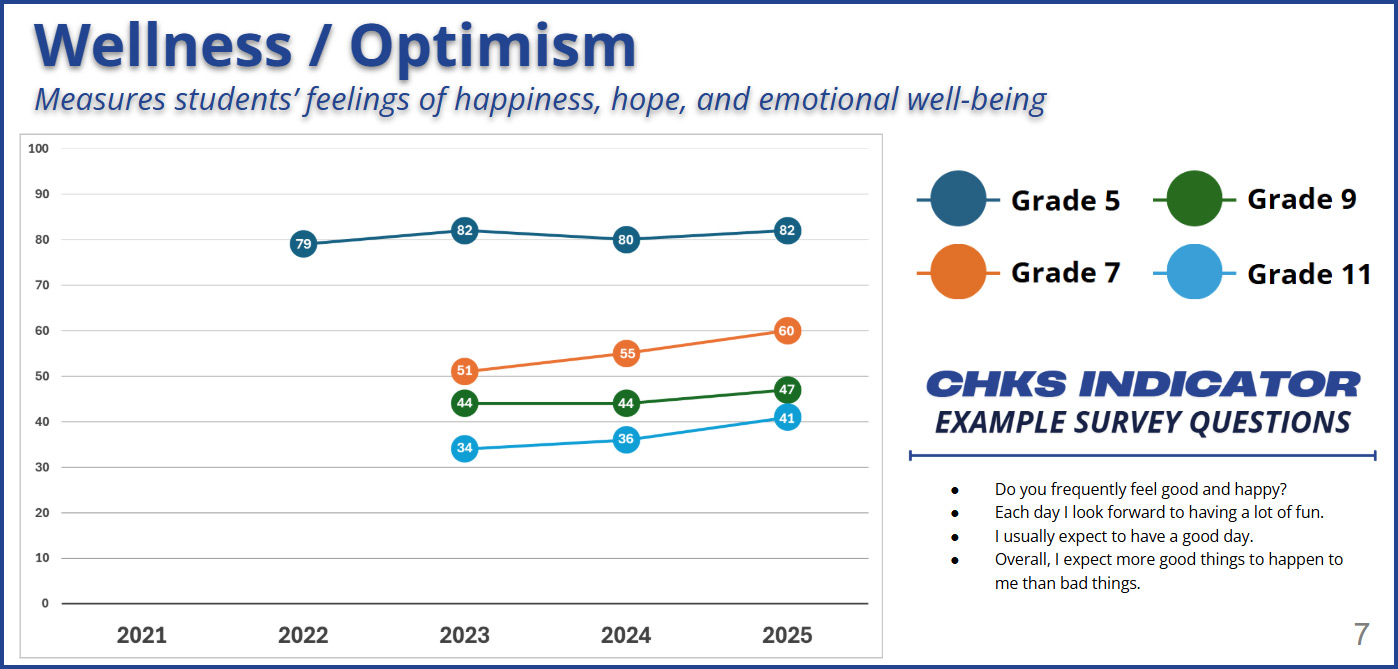 Progress in this presentation on the California Healthy Kids Survey (CHKS) shows gains in the feelings of optimism.
Many past parent workshops focus on mental health support. Four years ago we partnered with a connection service called Care Solace for help in navigating mental health care. Other wellness support on our website includes: Community Liaisons, School Counselors, Health Services and Bullying Prevention.
FUSD is spending $10.5 million more on mental health related positions and services in 2025-26 compared to the prepandemic (2018-19) era. We hired 77.74 more in FTE / staffing to provide additional mental health support to our students. Our largest investments have been in hiring 6 new Assistant Mental Health Therapists, 25 new Wellness Coaches, creating wellness centers across our school sites, increasing our counseling staff by 28.5 FTE, and creating 4 new MTSS Behavior Specialists. FUSD prioritizes the mental well being of our students and has doubled the investment in mental health services over the years.
See Expenditures Sheet (pdf)
Fremont Unified recognizes that mental health support is complex and demanding. We thank all of our staff who act as a support in this manner and our partners in the area. As a community we have made progress, but the vast complexities of the mind still create significant challenges to care. Mental illnesses are personal, varied, and often invisible. Issues don’t always have clear biological markers or predictable treatment paths. Cultural background, socioeconomic status, and individual experiences all affect how mental health issues come to light. We will continue to prioritize our support structures for this critical challenge.
Mental Health Matters
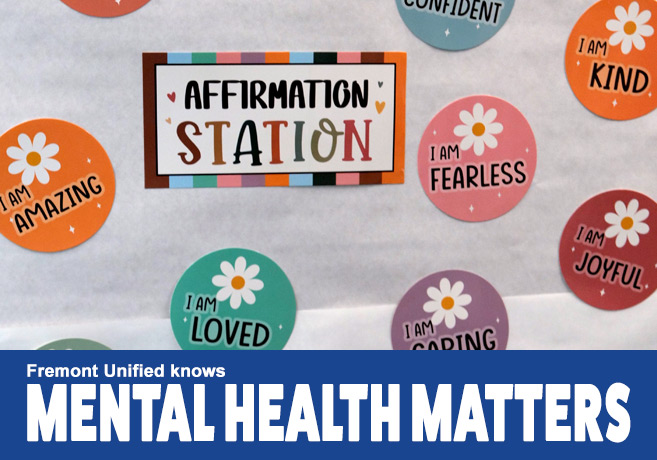
Mental Health Matters
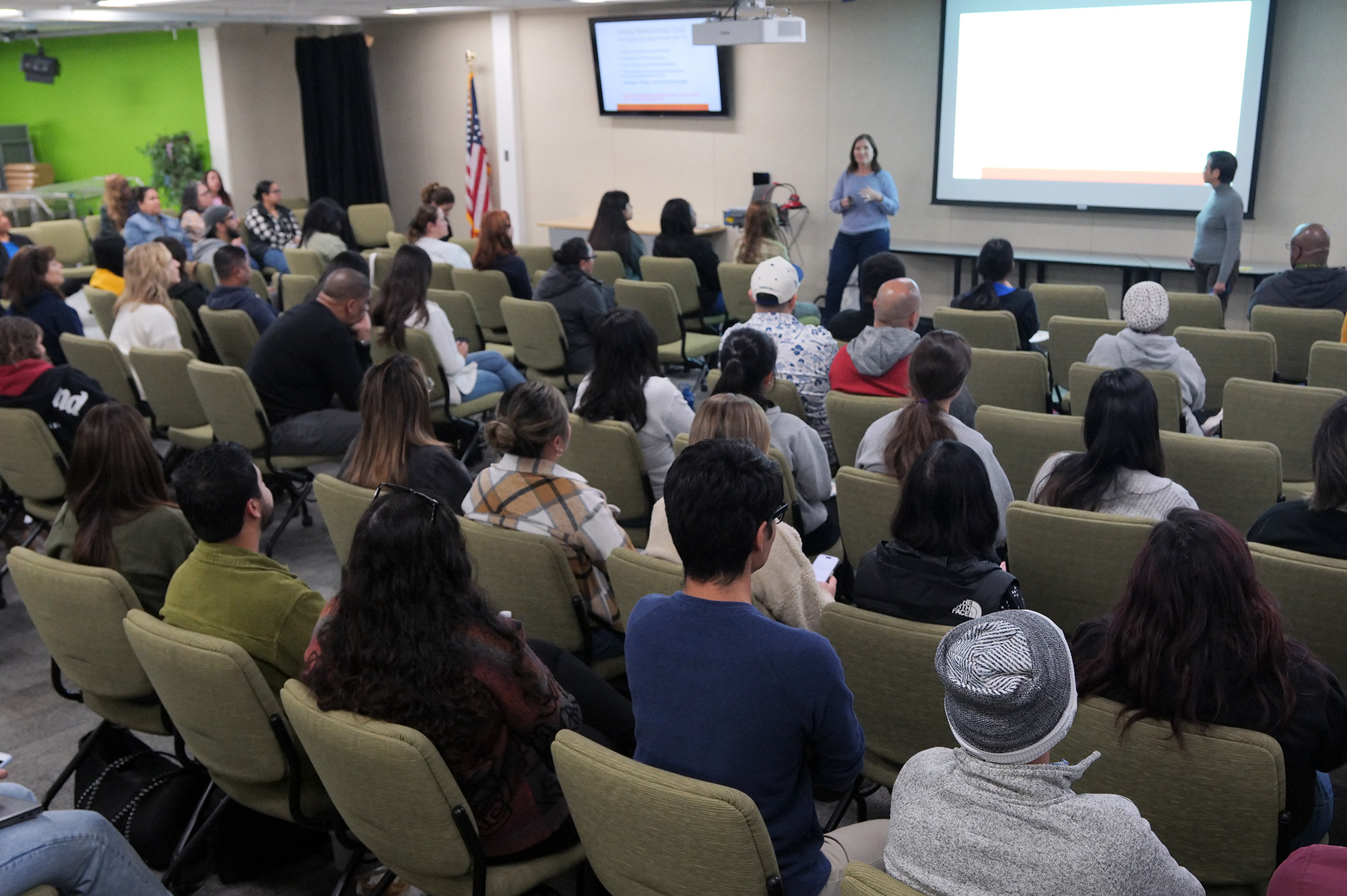
Annual Counselors Community Resources Meeting 2025
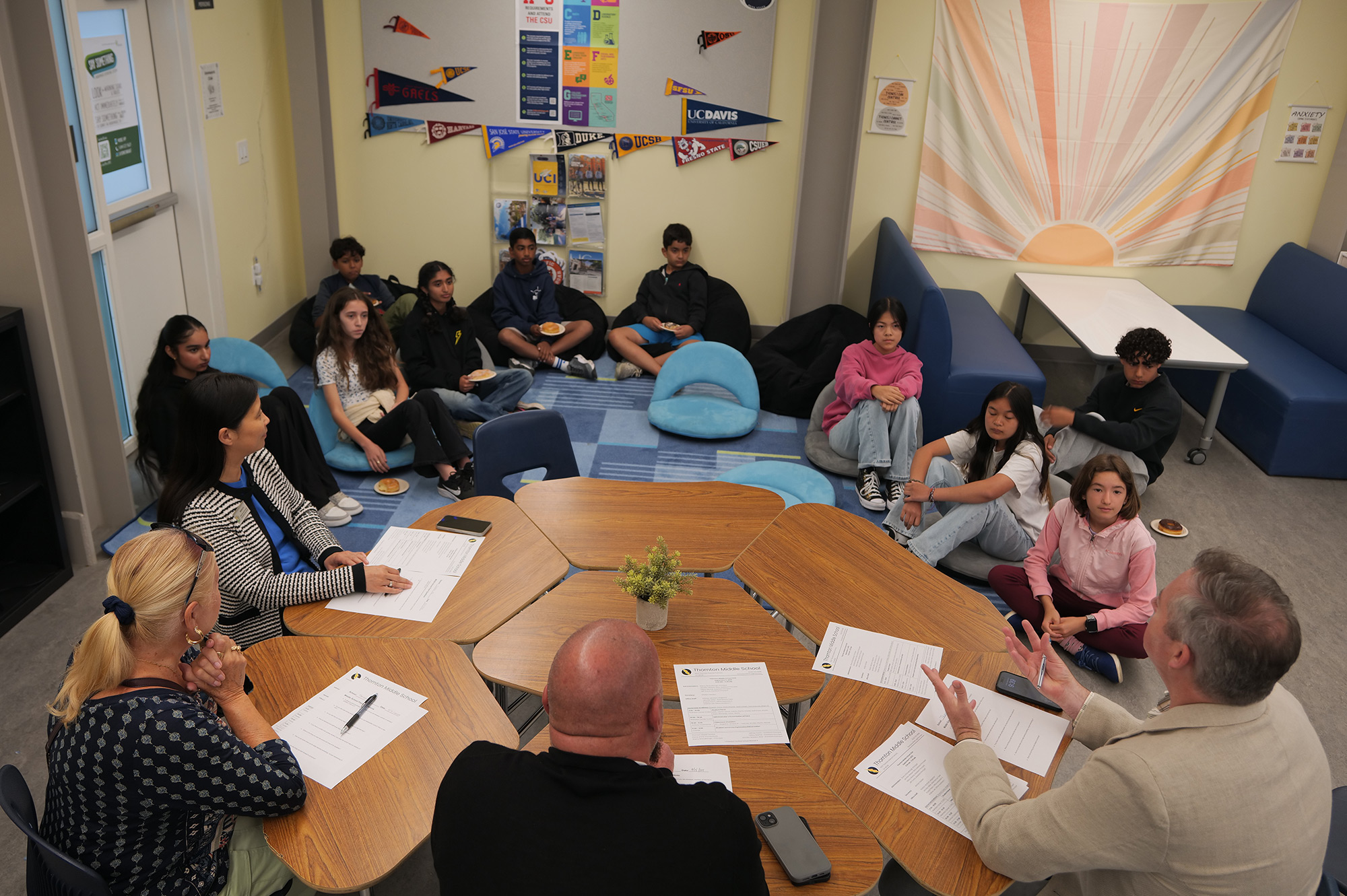
Students Meeting in Thornton’s Wellness Center
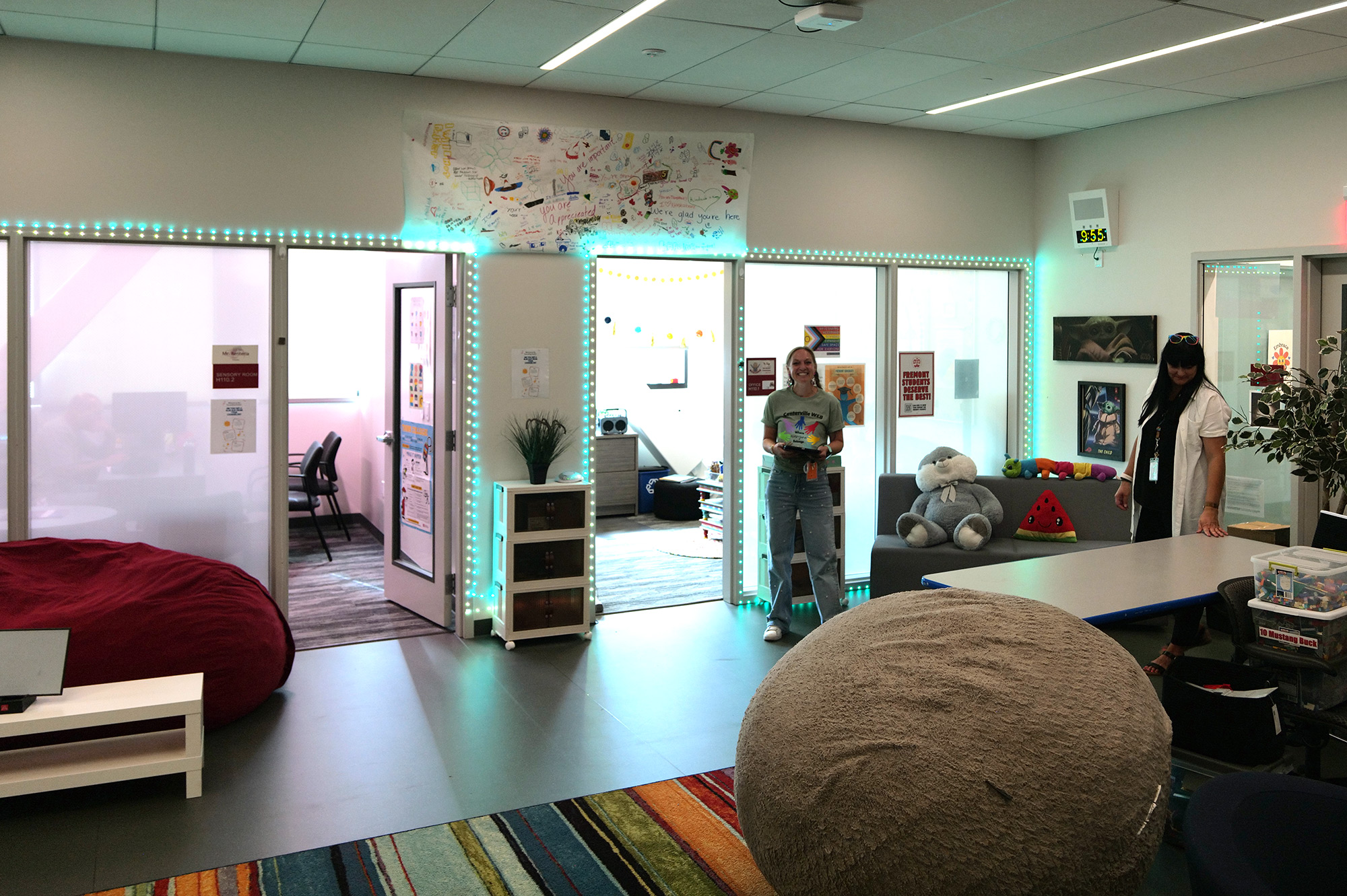
Centerville’s Wellness Center